

I-ACT Climate Action Workshop at Bangkok University Empowers Youth for a Sustainable Future
Bangkok, Thailand
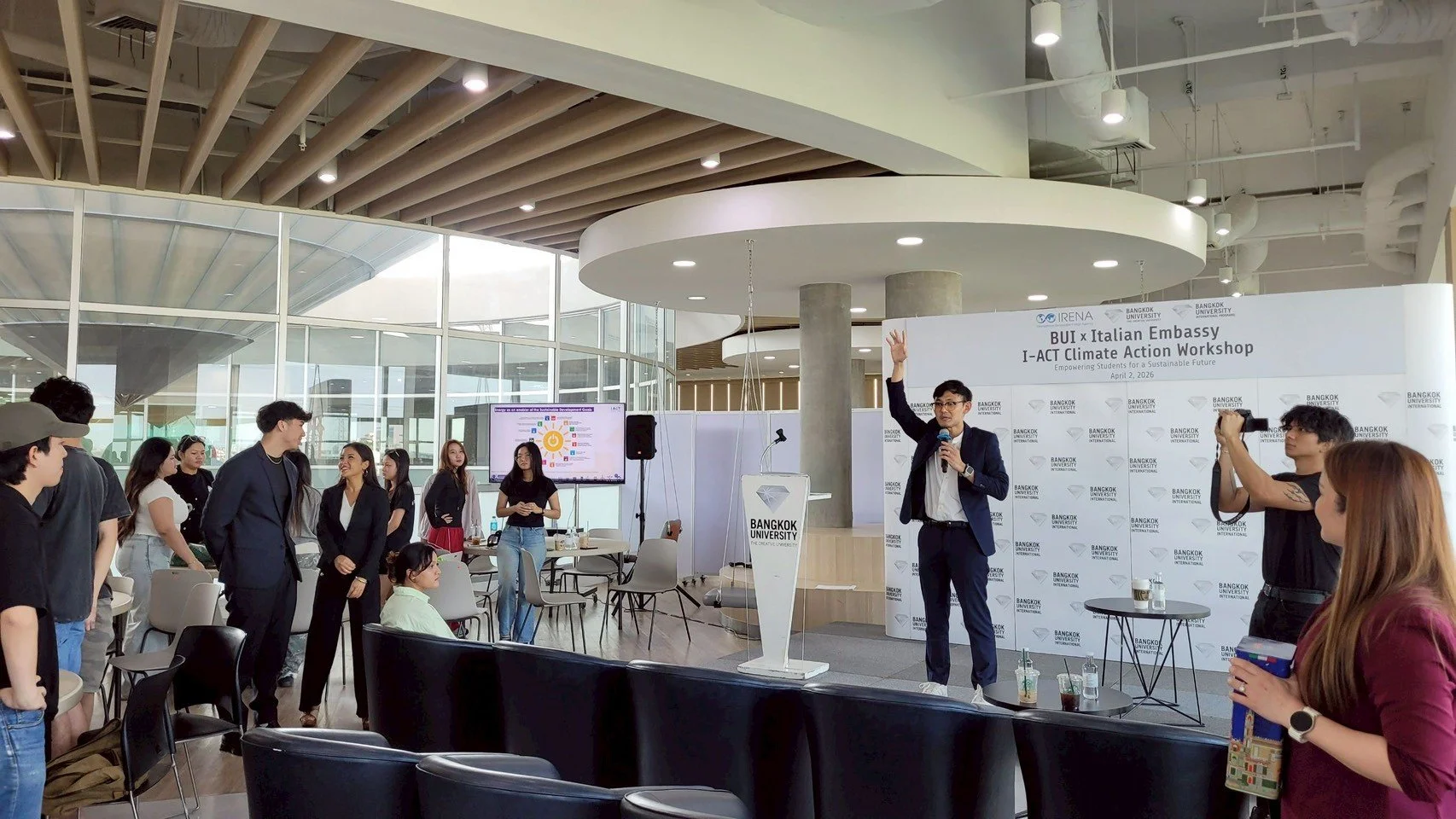
On 2 April 2026, Bangkok University International hosted the I-ACT Climate Action Workshop at the Open Lounge, C6 Building, bringing together up to 200 students from diverse academic backgrounds for an afternoon of learning, dialogue, and action on climate change and sustainable energy.
The workshop formed part of the global Italy–IRENA Action for Climate Toolkit (I-ACT) initiative, which aims to equip young people with the knowledge and tools to become peer educators and changemakers in climate and energy transitions.
The workshop was conducted at a critical moment, as the world continues to face an ongoing fossil fuel crisis and accelerating climate impacts. This context underscored the urgency of transitioning towards renewable energy systems and highlighted the importance of equipping young people with the knowledge and tools to respond to these global challenges.
The workshop welcomed 120 students and instructors.
Opening Session
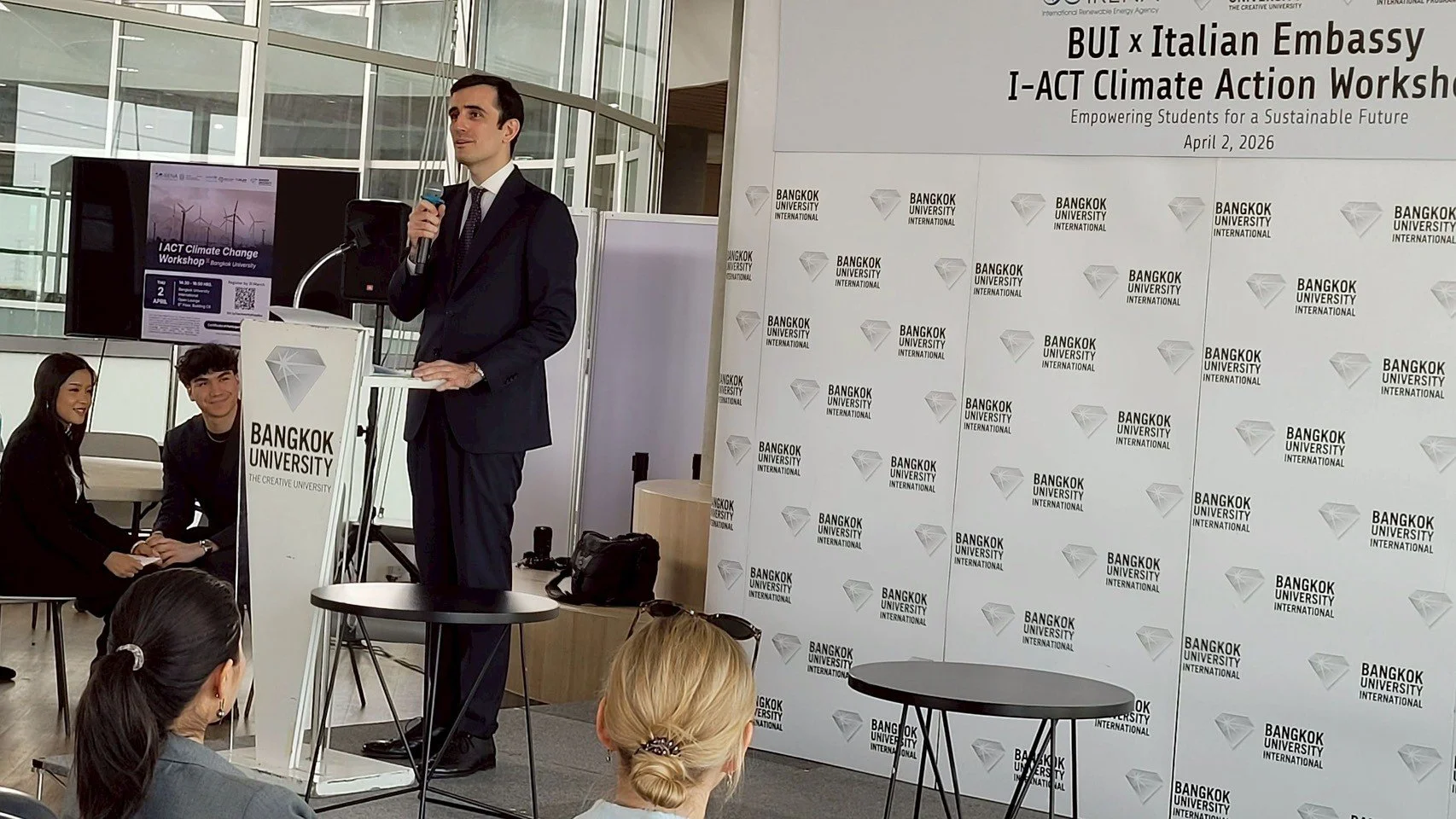
The event welcomed a range of distinguished speakers and institutional representatives, reflecting strong international and academic collaboration. Opening remarks were delivered by Dr Russell Rodrigo, Head of International General Education at Bangkok University, who highlighted the university’s commitment to sustainability, SDG integration, and global partnerships.
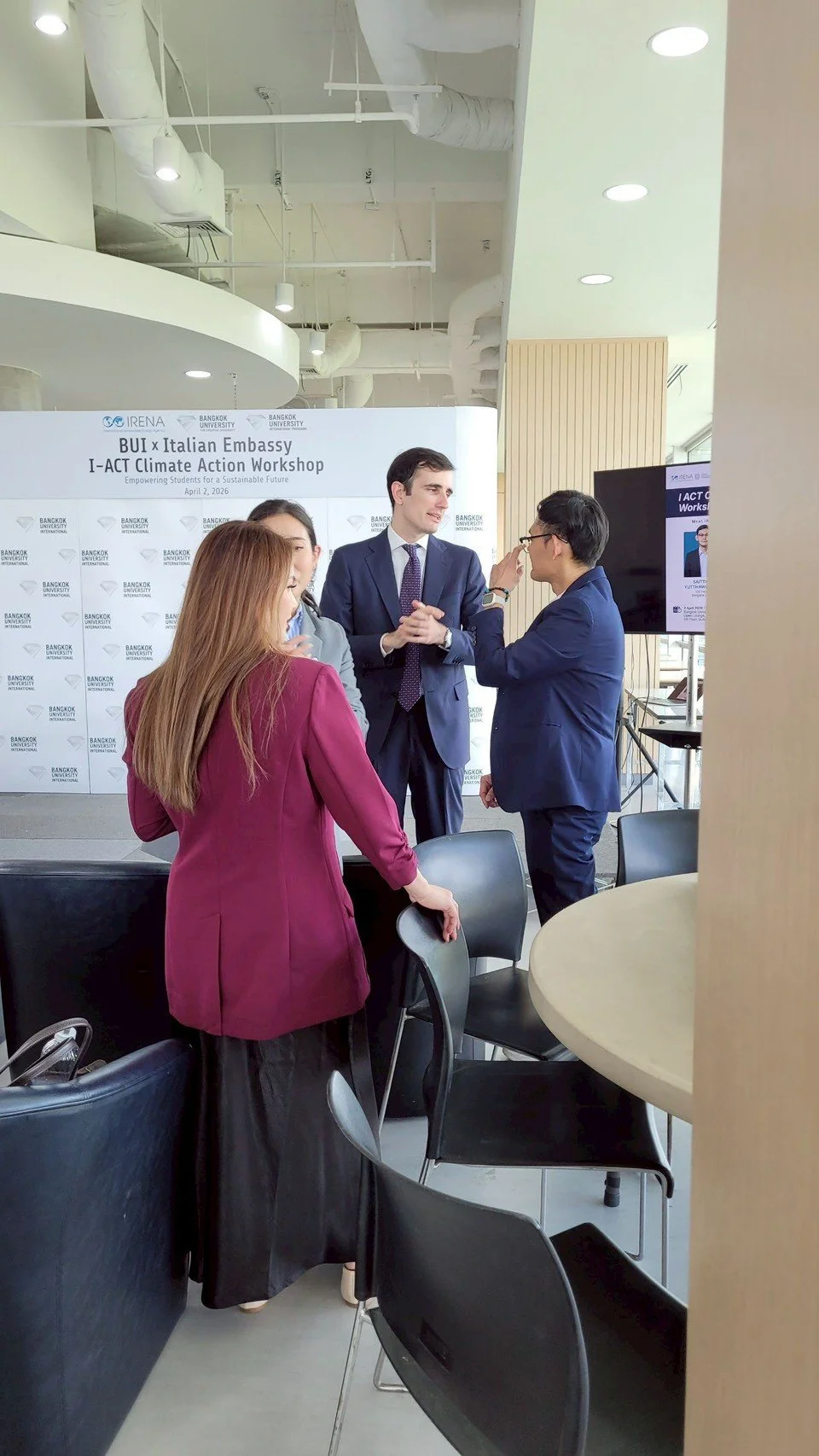
This was followed by welcome remarks from Mr Pierandrea Francavilla, Second Secretary and Head of the Economic and Commercial Office at the Embassy of Italy in Bangkok, who emphasised the importance of international cooperation in addressing climate challenges and advancing renewable energy transitions.
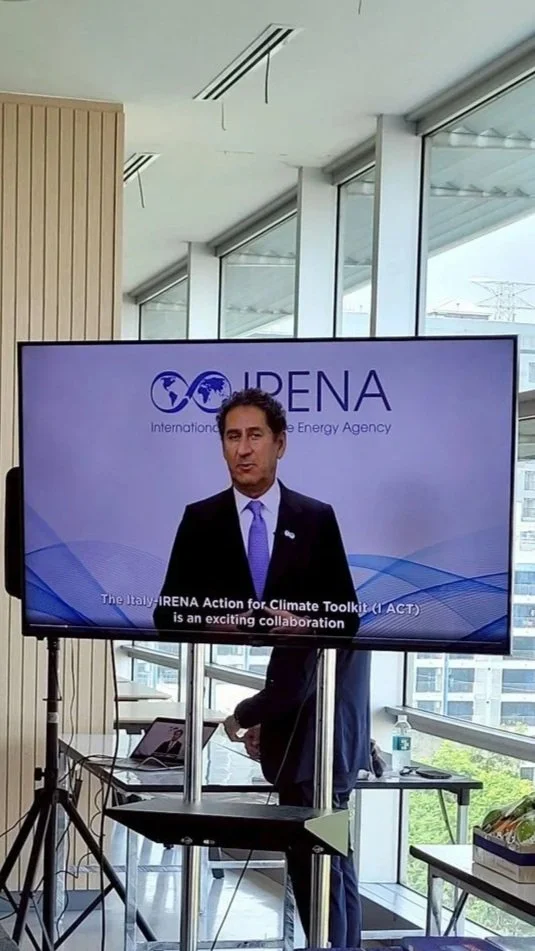
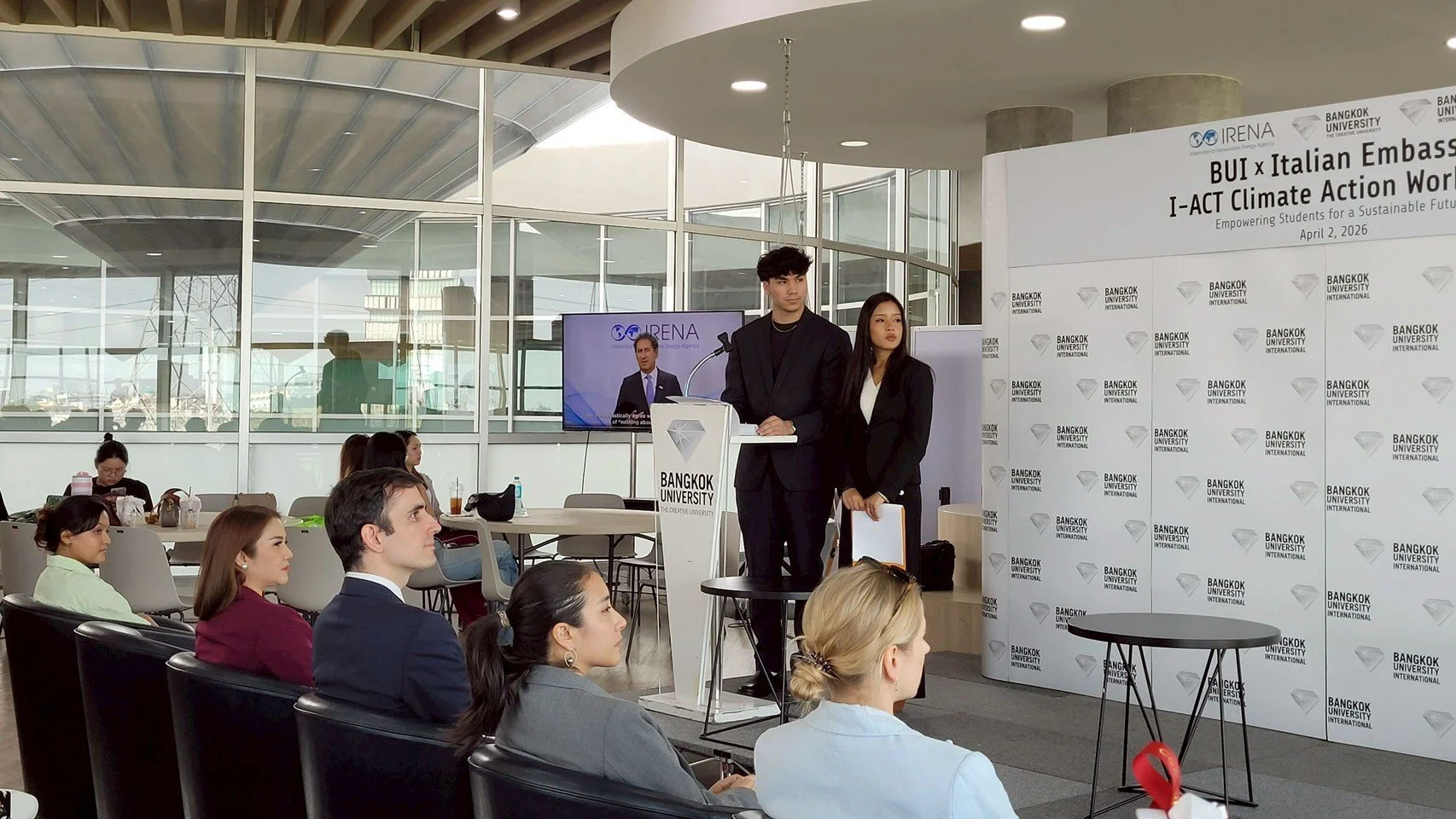
A special address was also delivered by the pre-recorded video of Mr Francesco La Camera, Director-General of the International Renewable Energy Agency (IRENA), who shared a global perspective on renewable energy and the urgency of accelerating sustainable transitions.
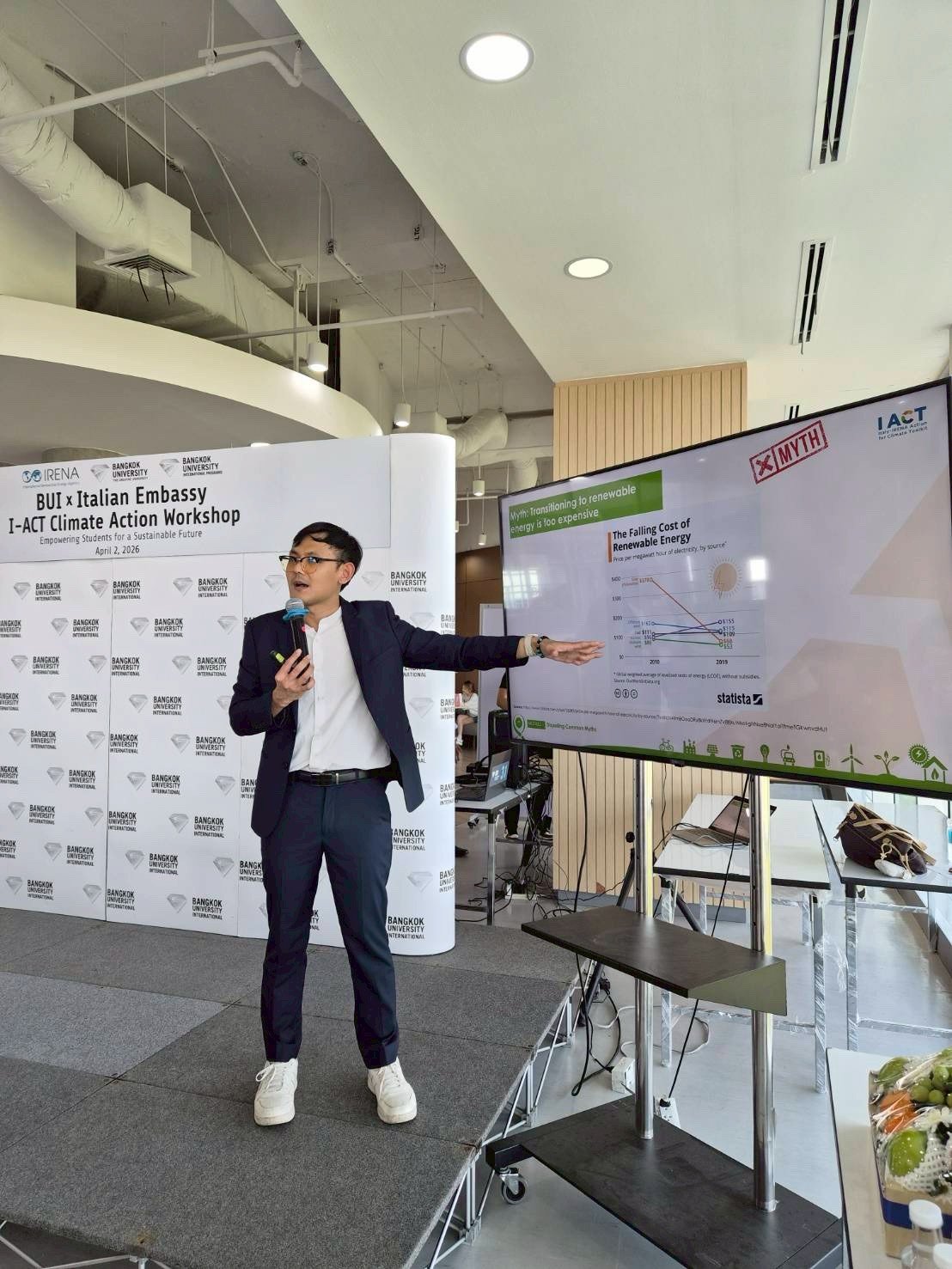
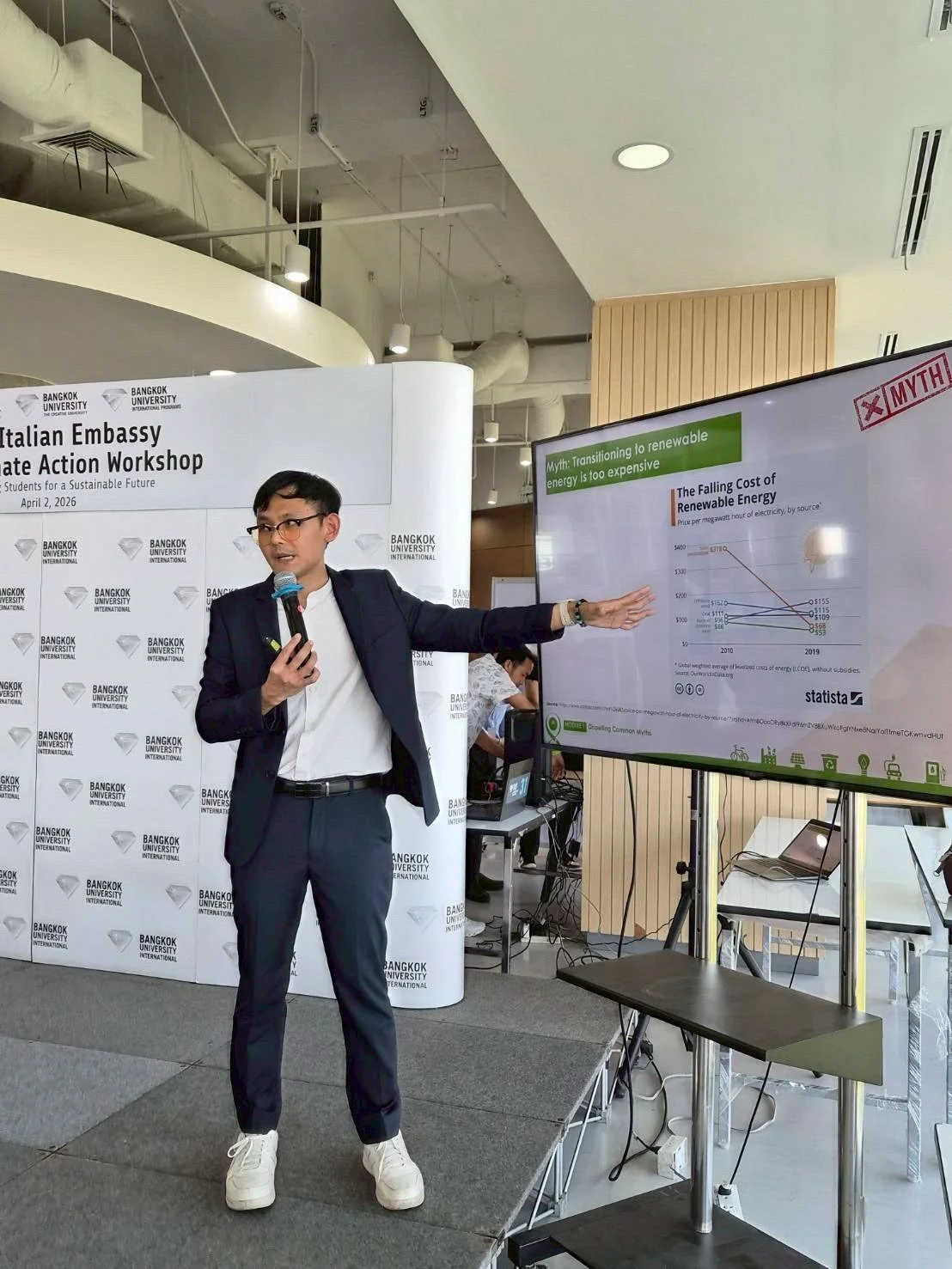
The workshop was facilitated by IRENA-certified facilitators, JALAN Civic Lab’s Executive Director Matt Yutthaworakool, who also serves as a General Education Instructor at Bangkok University, and Ms Krisha Shrestha, Graduate Researcher at the Asian Institute of Technology.
Interactive Learning Sessions
The workshop featured three core sessions aligned with the I-ACT training modules:
Session 1: Climate Change Myths
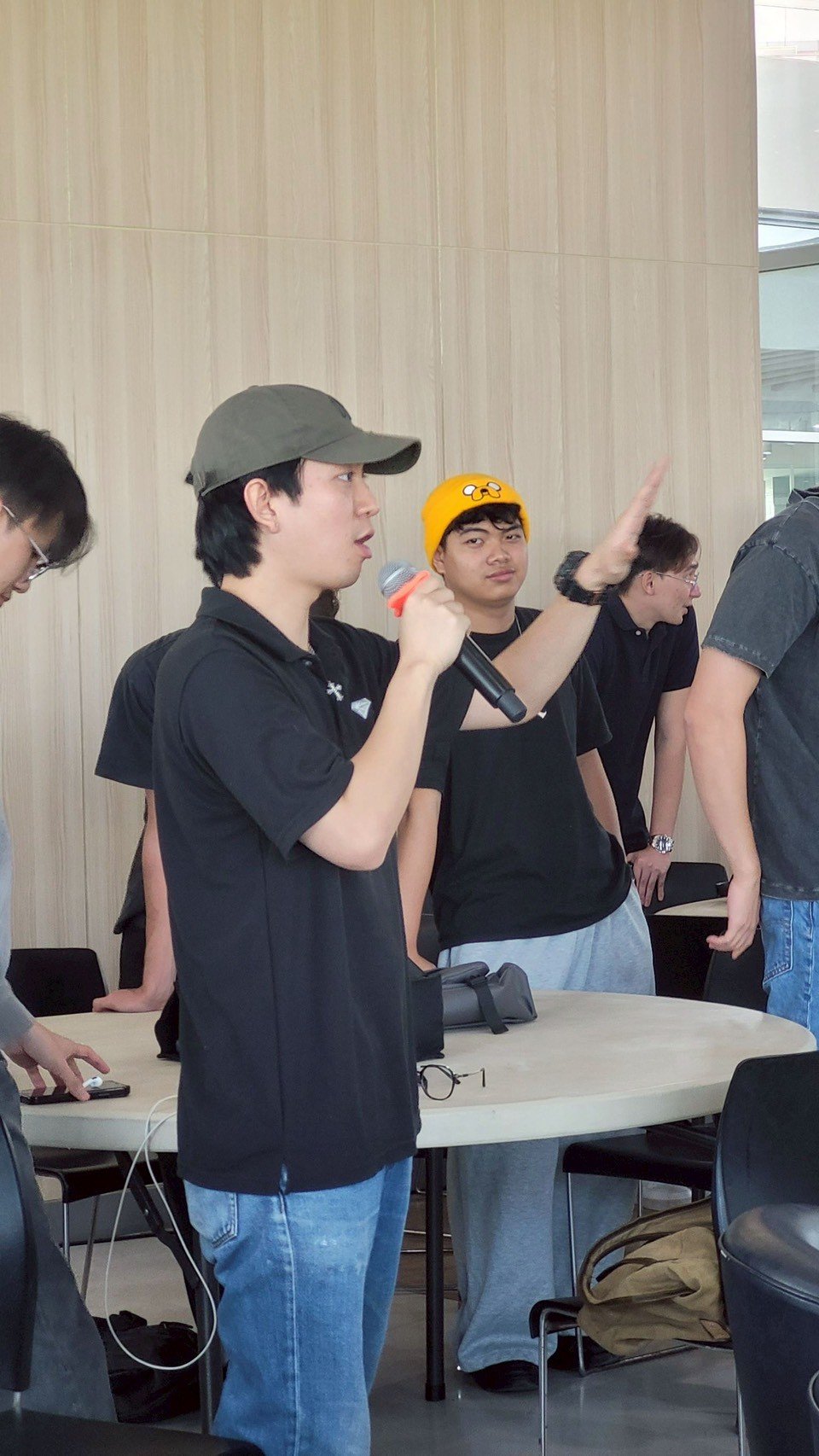
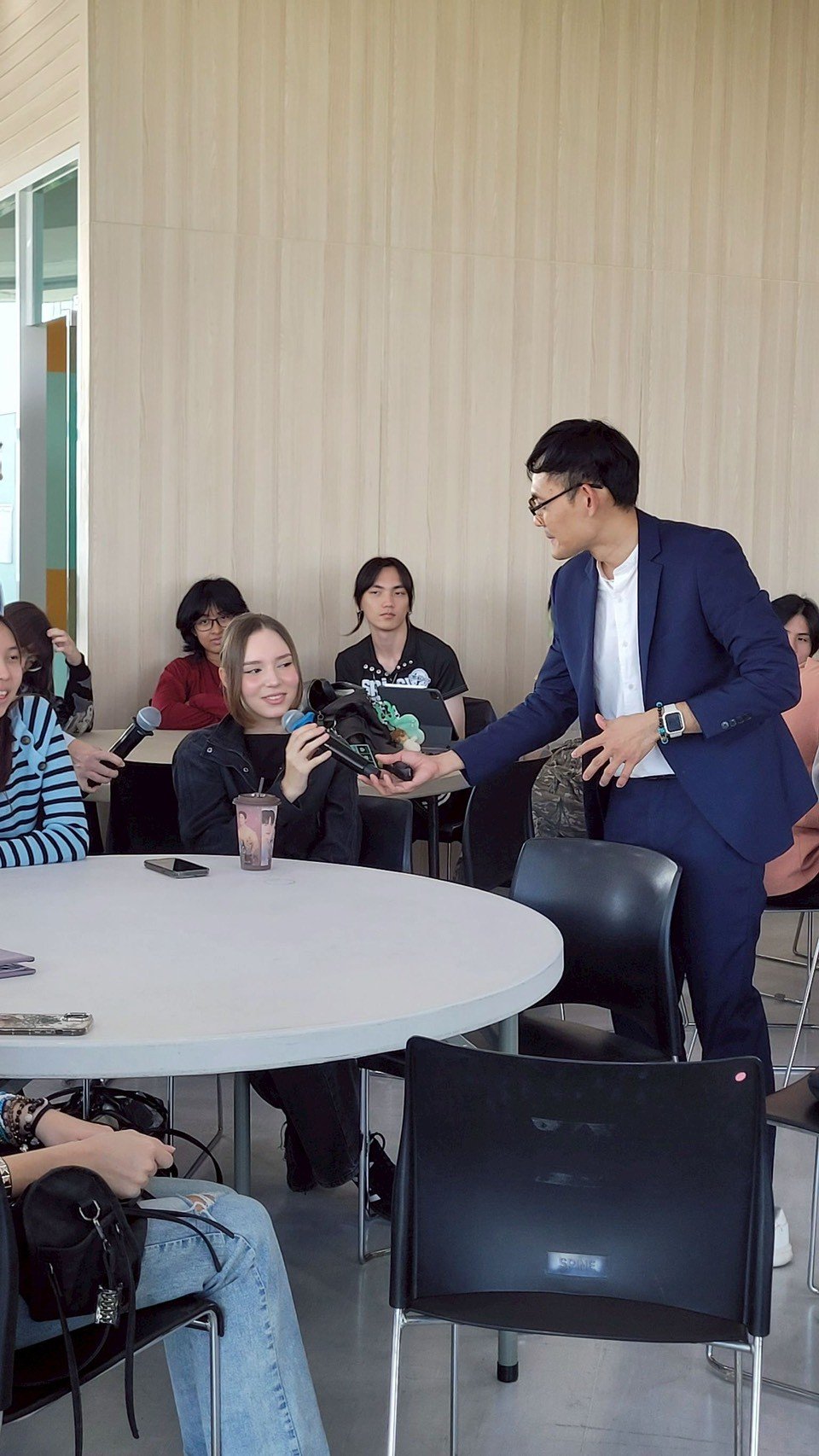
Participants began by unpacking some of the most common misconceptions surrounding climate change, including debates around natural versus human causes, the role of scientific evidence, and the perceived uncertainty of climate science. Through interactive activities such as “Fact or Fiction”, students critically engaged with widely circulated narratives and misinformation. The session emphasised how climate myths are produced and sustained within media and public discourse, encouraging participants to question sources of information and recognise the importance of evidence-based reasoning. By grounding discussions in scientific consensus, participants developed a clearer understanding of the reality, urgency, and human-driven nature of climate change, while also strengthening their media literacy and critical thinking skills.
Session 2: Climate and Renewable Energy
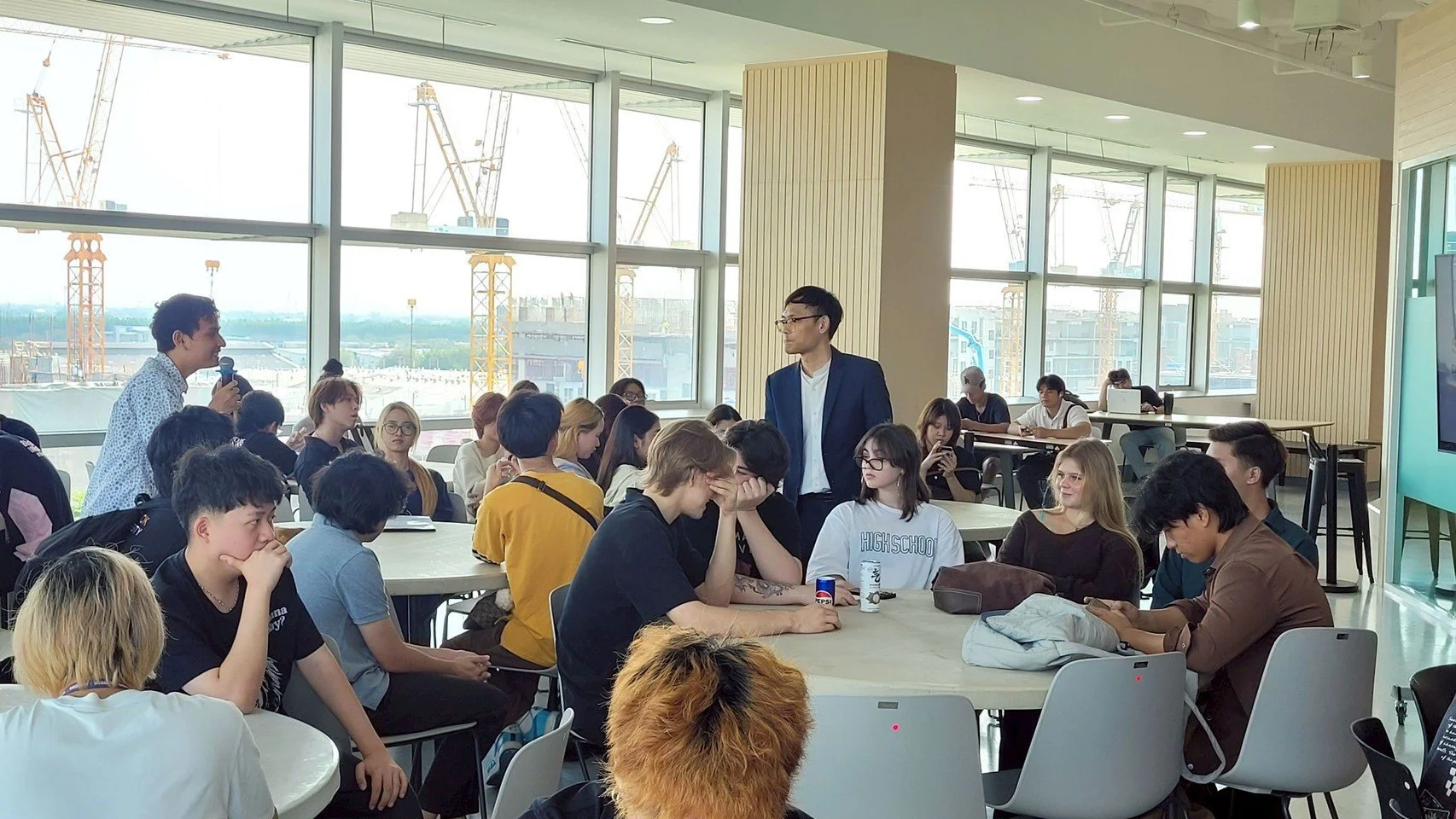
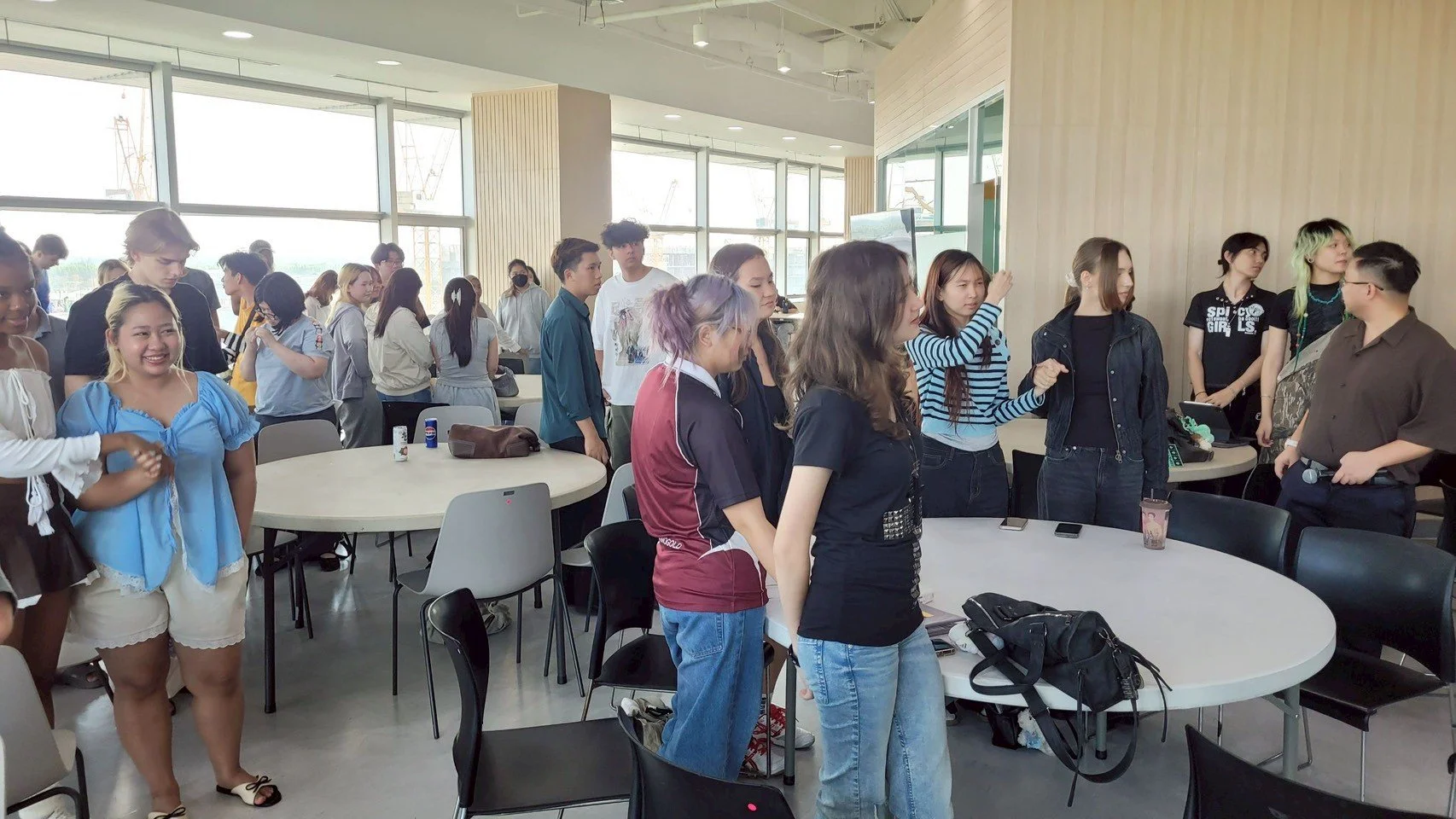
Building on this foundation, the second session introduced participants to the fundamentals of climate and energy systems, focusing on the transition from fossil fuels to renewable energy sources such as solar, wind, and hydropower. Students explored how energy production is directly linked to greenhouse gas emissions and global warming, and how renewable energy plays a central role in mitigation strategies. The session also highlighted the economic, technological, and policy dimensions of energy transitions, including challenges such as intermittency, infrastructure development, and investment costs. Through guided discussion, participants reflected on how renewable energy is increasingly becoming mainstream and how innovation can accelerate its integration into national and global energy systems.
Session 3: Inclusive Energy Transition
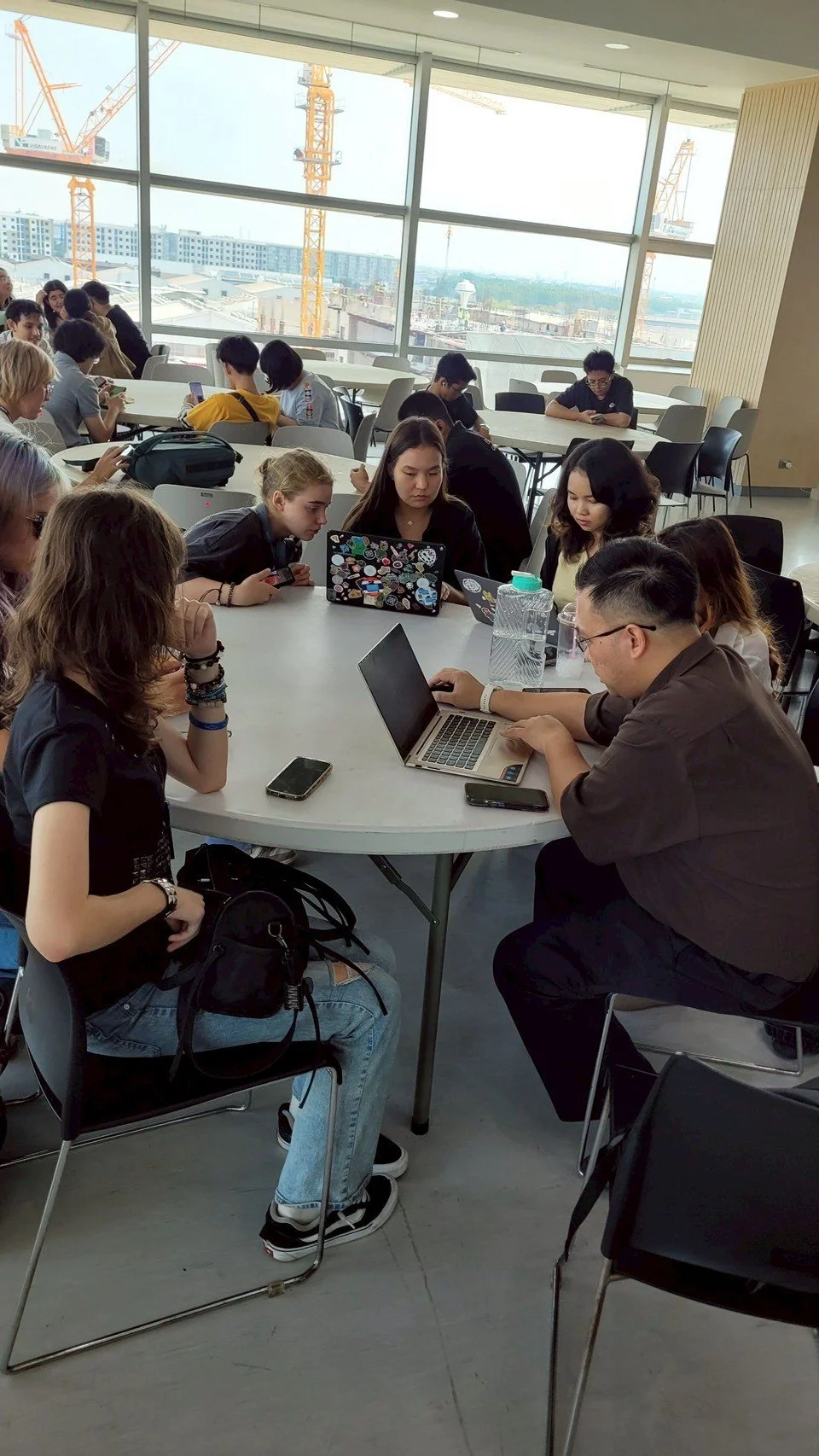
The final session shifted the focus toward the social dimensions of climate action, emphasising the importance of justice, equity, and inclusion in energy transitions. Participants examined how climate change and energy policies disproportionately affect marginalised communities, including low-income populations, rural communities, and vulnerable groups. Through reflective exercises, students were encouraged to consider who benefits from energy transitions and who may be left behind. The session also connected climate action to future career pathways, prompting participants to think about their roles in advancing a more just and inclusive sustainable future. By integrating perspectives on environmental justice and social responsibility, this session highlighted that effective climate solutions must go beyond technology to address structural inequalities.
Youth Engagement and Outcomes
The workshop placed strong emphasis on youth-led action and practical application. Through group activities and reflection exercises, students were encouraged to think critically about their future careers and how they can contribute to environmental sustainability.
By the end of the programme, participants had:
Developed a deeper understanding of climate change and renewable energy systems
Strengthened awareness of just and inclusive climate transitions
Enhanced skills in teamwork, critical thinking, and problem-solving
Gained practical tools for designing community-based and youth-led climate initiatives
JALAN Civic Lab extends special thanks to Dr Russell Rodrigo for the kind collaboration and support that made this workshop possible.
If you are interested in future thinking across civic, climate, digital, and data democracy, JALAN Civic Lab welcomes collaboration.
📩 Contact us:jalanciviclab@gmail.com
#JALANCivicLab #YouthForClimate #ClimateEducation #ClimateLiteracy #YouthEmpowerment #FutureLeaders #YouthLeadership #EducationForSustainability
