

Advancing Children’s Rights in Digitalised Societies: JALAN Civic Lab Workshop at Navamindradhiraj University
Bangkok, Thailand
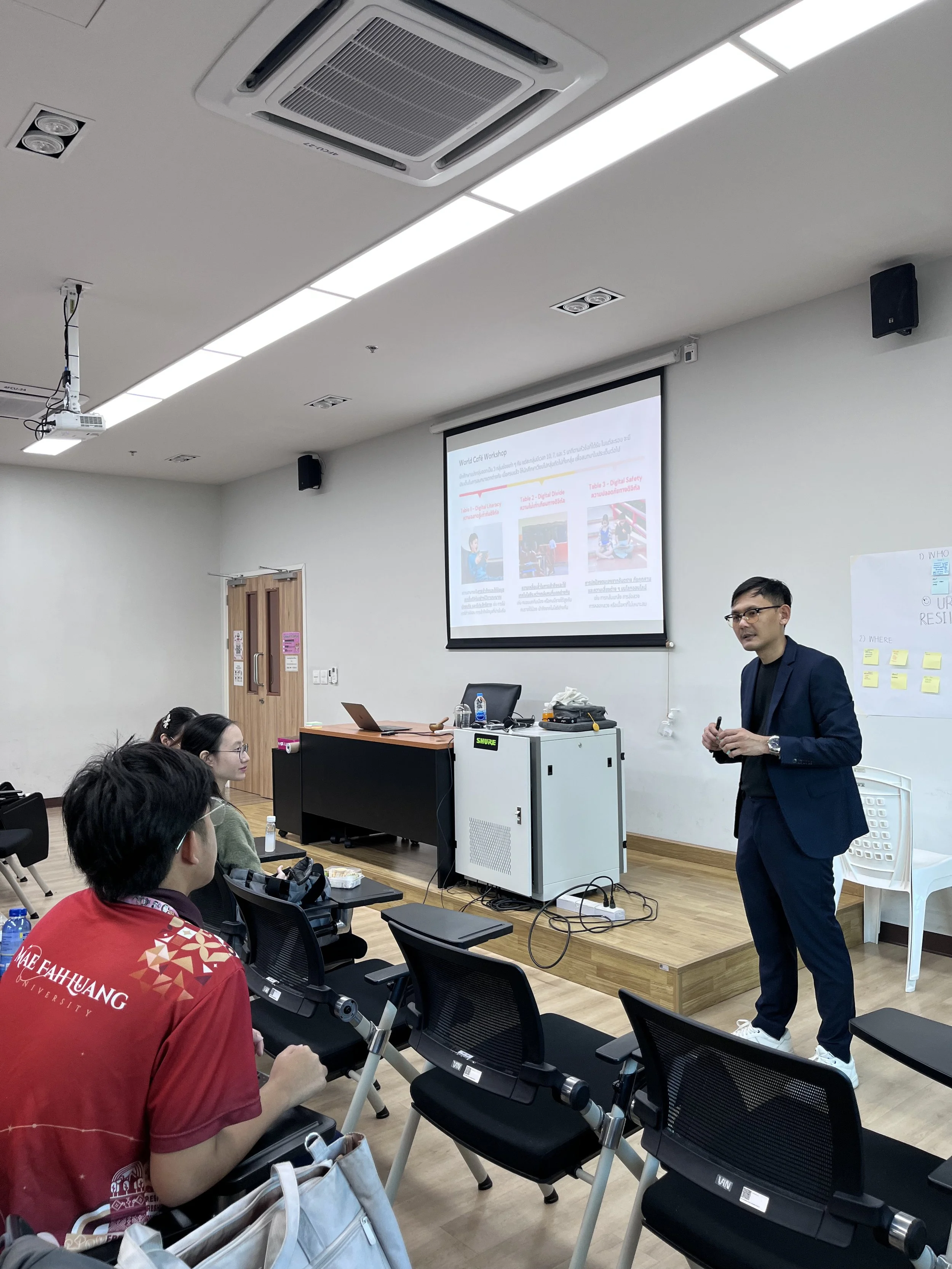
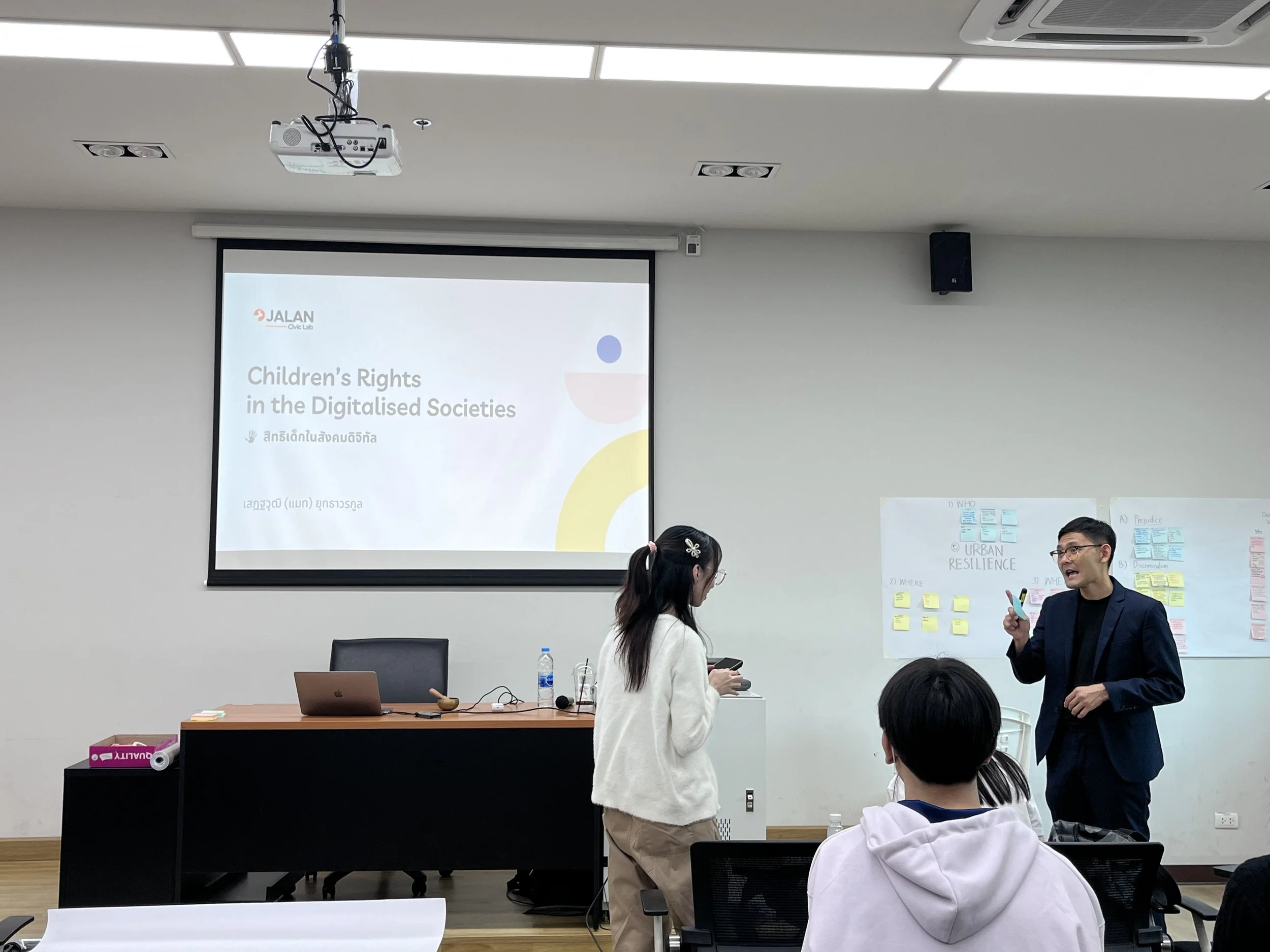
As digital technologies become increasingly embedded in everyday life, questions of rights, safety, participation, and inequality take on new and urgent forms—particularly for children and young people. On 11 January 2026, JALAN Civic Lab facilitated a participatory workshop on “Children’s Rights in Digitalised Societies” at Navamindradhiraj University (NMU) in Bangkok. The session was delivered by Matt Yutthaworakool, Executive Director of JALAN Civic Lab, and designed to support university students in critically engaging with children’s rights through the lens of digital society, civic responsibility, and advocacy.
Creating a Safe and Participatory Learning Space
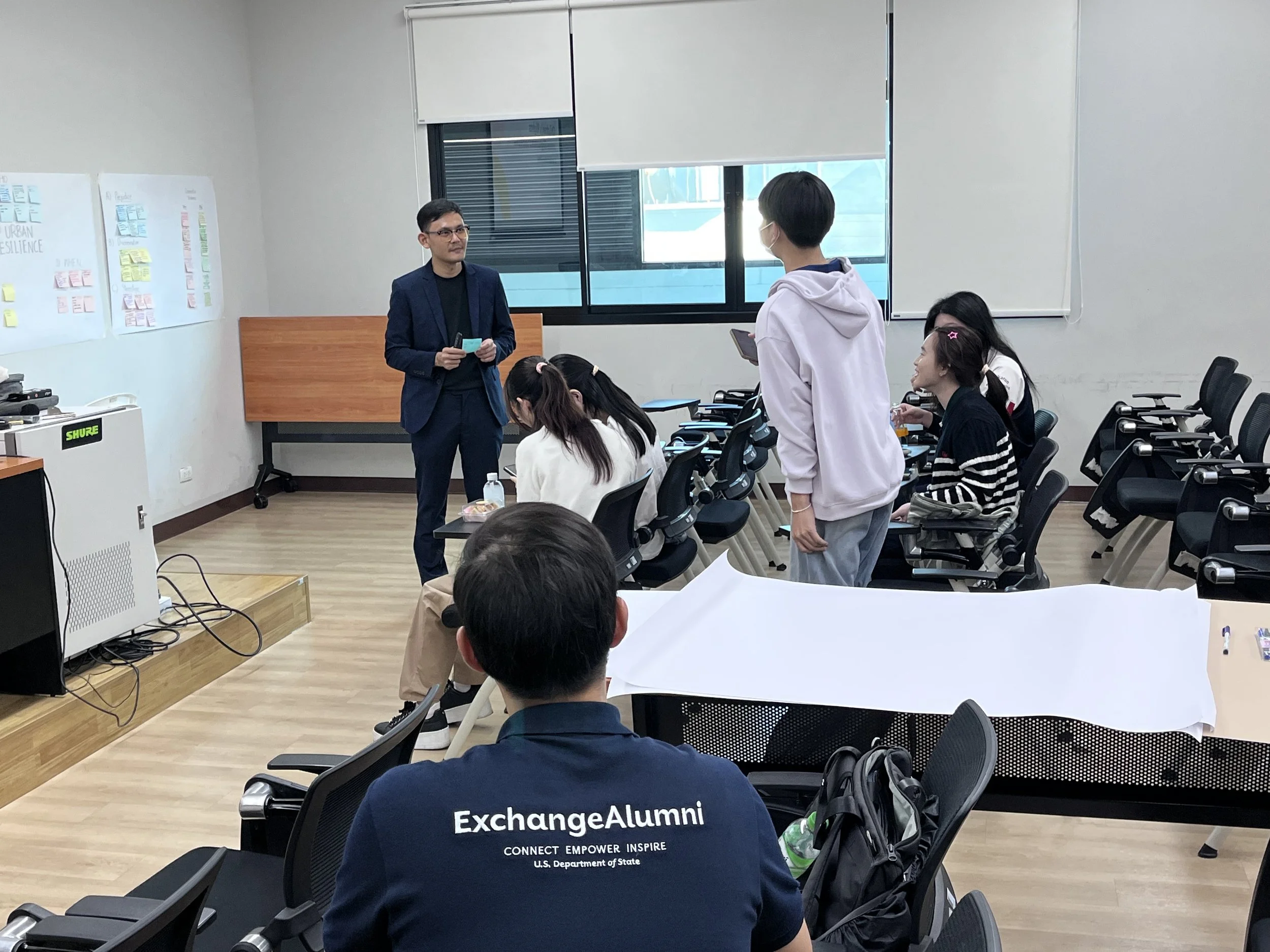
The workshop began with a series of ice-breaking and mood check-in activities, setting the tone for an open, respectful, and inclusive learning environment. Participants collectively agreed on shared ground rules—listening carefully, remaining open-minded, avoiding premature judgement, and being fully present. These principles were essential in creating a space where sensitive topics such as online harm, inequality, and child protection could be discussed thoughtfully and constructively.
This emphasis on participation reflects JALAN Civic Lab’s belief that democracy is practised, not merely taught. Learning about rights—particularly children’s rights—requires spaces where participants feel empowered to speak, question, and reflect.
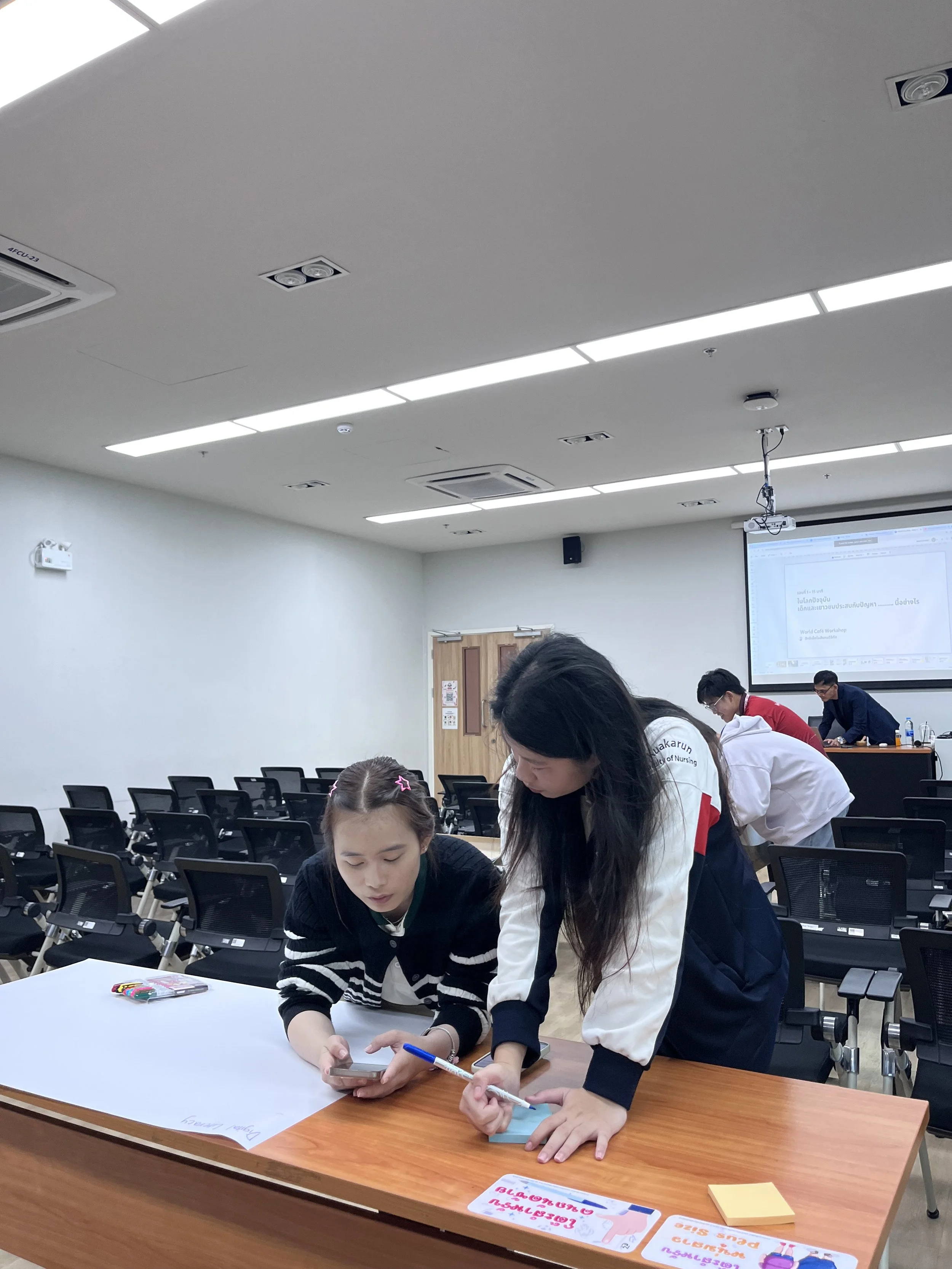
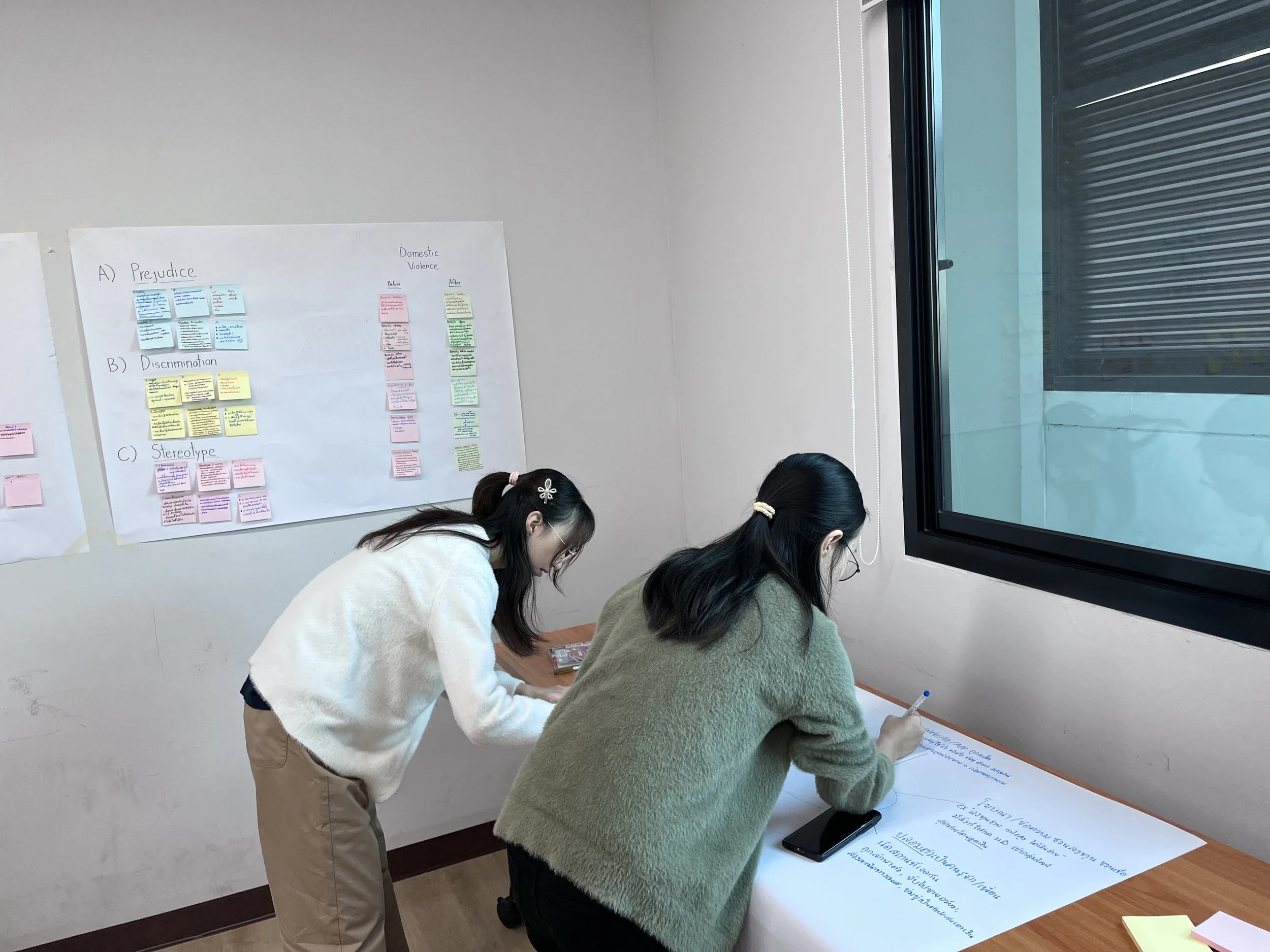
The session combined interactive learning with hands-on civic practice. Following an icebreaker and mood check-in, participants attended a brief lecture on the foundations of children’s rights, including the Convention on the Rights of the Child (CRC) and its relevance in digital contexts. The discussion then moved beyond theory through a World Café workshop, in which students rotated among thematic tables on digital literacy, the digital divide, and digital safety. These small-group discussions encouraged participants to identify real-world challenges children face online, analyse root causes, and propose practical responses.
Understanding Children’s Rights in the Digital Age
Through a mini-lecture, participants were introduced to the foundations of children’s rights, grounded in international human rights frameworks such as the Convention on the Rights of the Child (CRC). The session explored the four core principles of the CRC—survival, protection, development, and participation—and examined how these rights are both enabled and threatened in digital contexts.
While digital technologies offer unprecedented access to information, education, and social connection, they also expose children to new risks, including cyberbullying, privacy violations, online exploitation, and mental health challenges. Rather than framing technology as inherently harmful or beneficial, the workshop encouraged participants to adopt a critical and balanced perspective, recognising the structural, social, and political conditions that shape children’s digital experiences.
World Café: From Lived Experiences to Collective Analysis
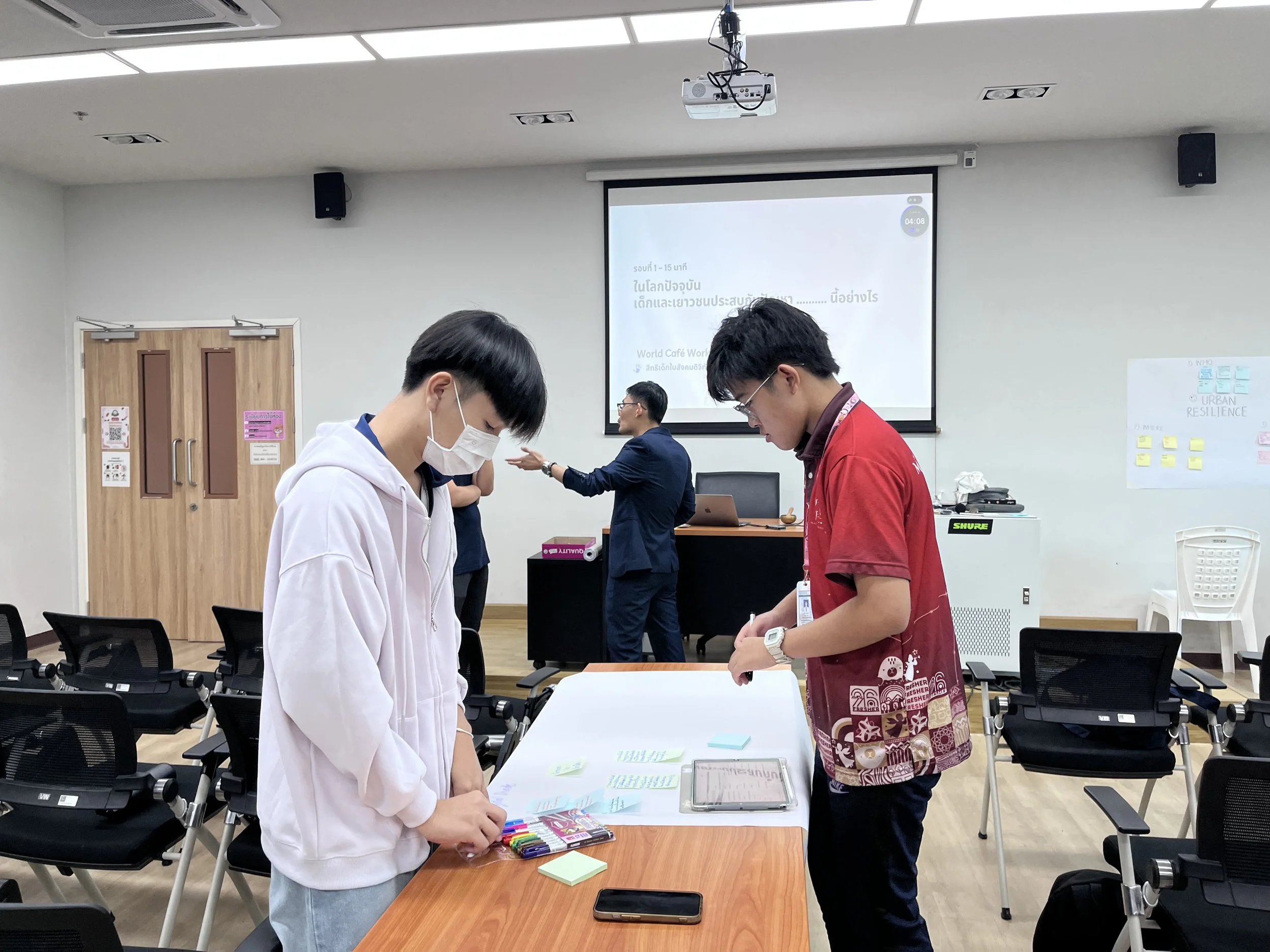
A key part of the workshop was the World Café session, a participatory activity that encouraged collaborative learning and collective problem-solving. Students rotated between three thematic tables—digital literacy, digital divide, and digital safety—to examine how children experience digital challenges, what factors contribute to these issues, and who should be responsible for addressing them. Through this process, participants built on one another’s insights and recognised that protecting children’s rights in digital societies requires collective action, involving families, educational institutions, digital platforms, policymakers, and civil society.
From Awareness to Action: Advocacy Campaign 101
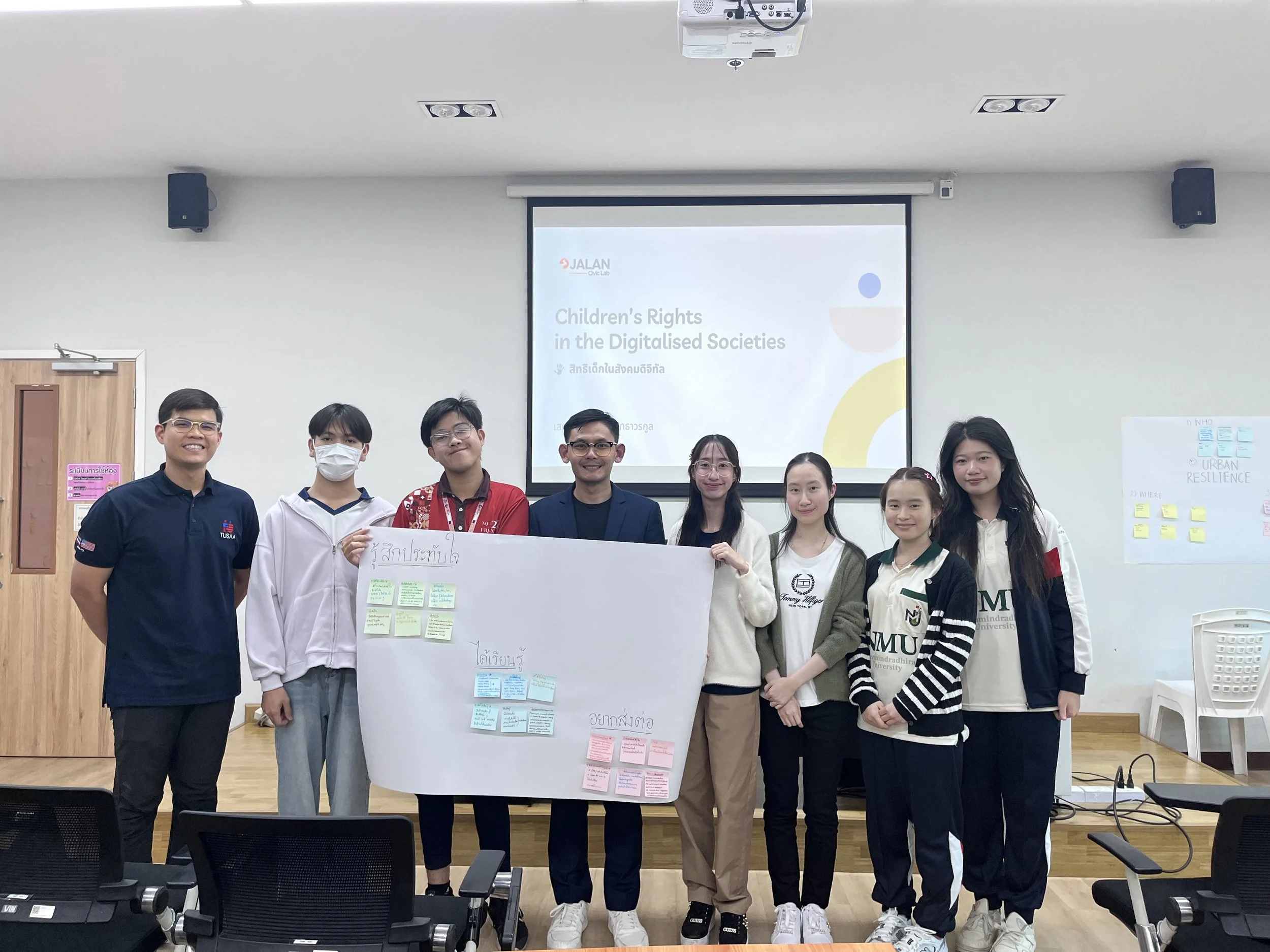
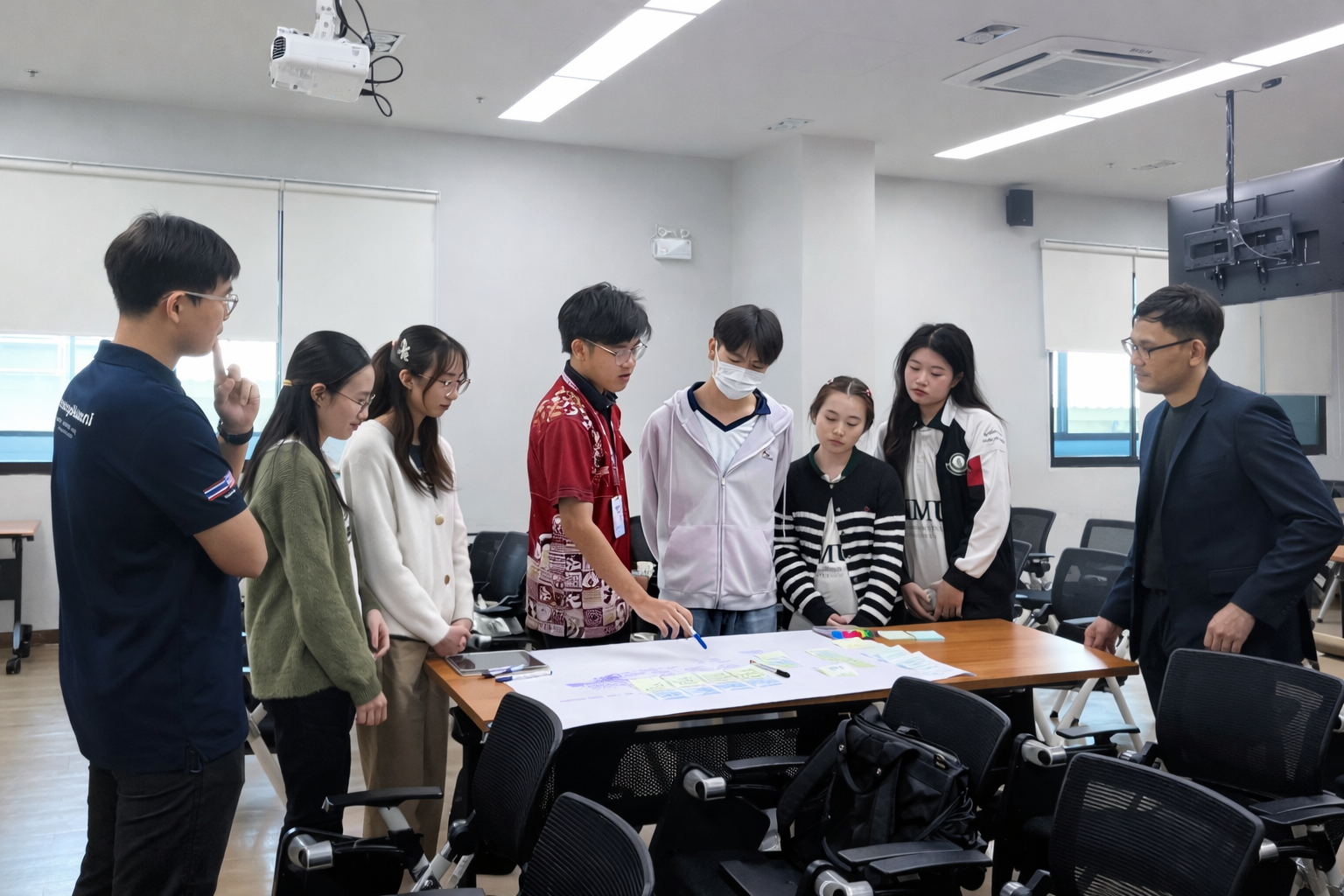
The workshop then shifted from analysis to action through Advocacy Campaign 101. Participants were introduced to the key elements of effective advocacy, including defining issues, using evidence, identifying target audiences, and formulating clear demands. Working in small groups, students developed mini advocacy campaigns on children’s rights in digital contexts, using creative formats such as infographics, videos, or podcasts. This exercise helped translate complex digital rights issues into accessible messages while encouraging critical reflection on the ethical use of digital tools in civic action.
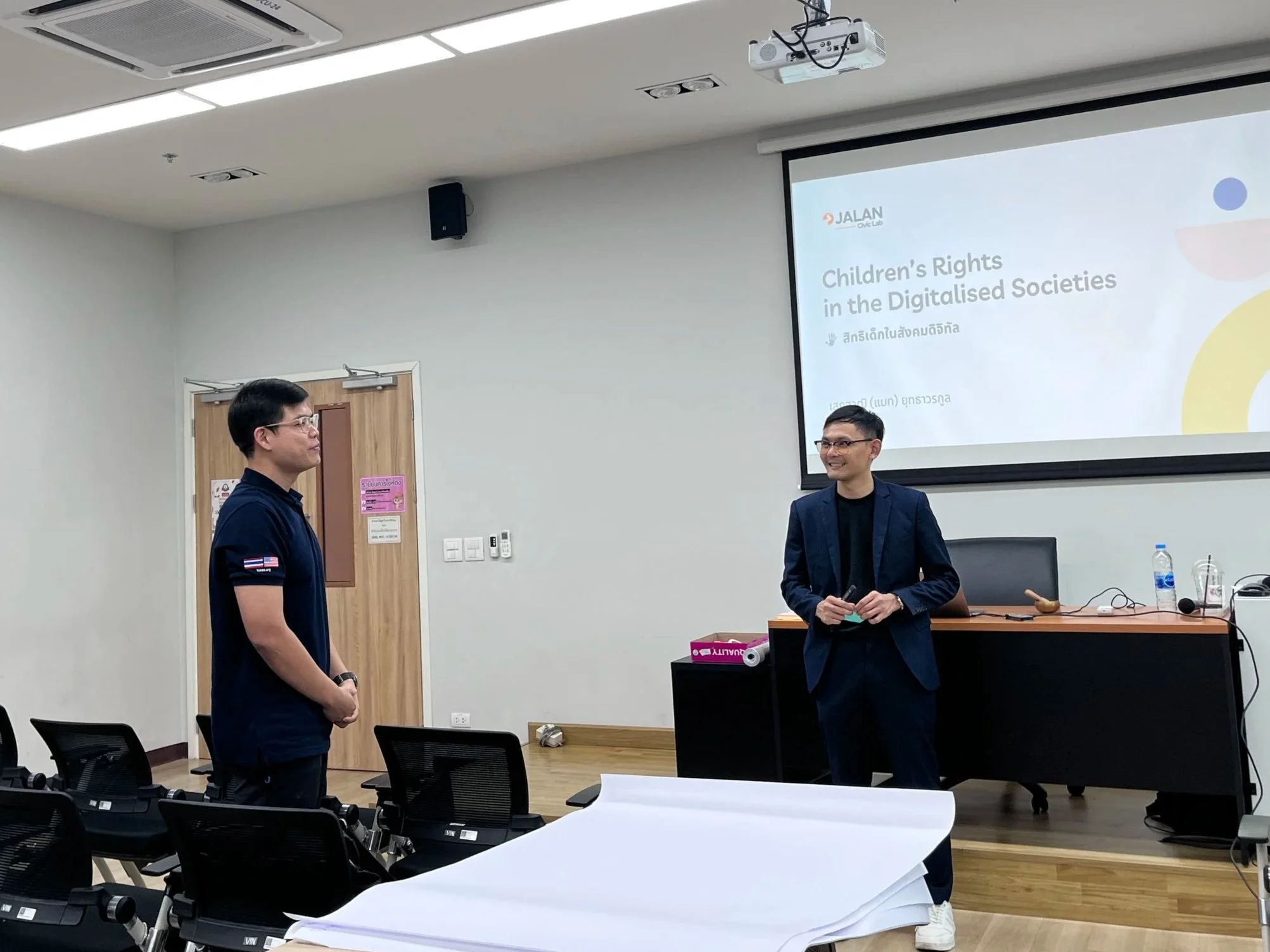
JALAN Civic Lab extends special thanks to Professor Krittanan (Punch) Pensirisomboon, a Lecturer at Navamindradhiraj University, for the kind invitation, collaboration, and support that made this workshop possible.
If you are interested in future thinking across civic, climate, digital, and data democracy, JALAN Civic Lab welcomes collaboration. 📩 Contact us: jalanciviclab@gmail.com
#JALANCivicLab #ChildrensRights #DigitalRights #DigitalLiteracy #ChildOnlineSafety #YouthLeadership #UniversityEngagement #Advocacy #HumanRightsEducation #Bangkok #Thailand
